Saloon, SUV or GT: choosing your premium vehicle according to use
Long journeys, city centres, guests, mountains or the image you want to convey: how to choose between a saloon, SUV, GT, estate or premium compact based on your real business use.
Start from the use, not the silhouette
Choosing a premium vehicle often begins with an image: the line of a saloon, the stature of an SUV, the bonnet of a GT. For business use, it pays to reverse that order. The right silhouette is the one that fits your real working days — your journeys, your passengers, your meetings, your seasons — not the one that wins you over at first glance.
Before comparing models, describe your typical week. Five questions are enough to steer the decision:
- Long journeys. Do you string together motorways and meetings in several cities, or do your trips stay within one metropolitan area?
- The city. Do you drive in the city centre every day, between old streets, tight parking spaces and underground car parks?
- Passengers and luggage. Do you regularly carry colleagues, clients or guests, along with their suitcases?
- Mountains and winter. Does your business take you to ski resorts, on roads where snow settles in for several months a year?
- Image. Does your profession call for discretion, or on the contrary for an assertive presence?
Few people answer "yes" across the board. The task is to set priorities: identify the dominant use, then check that the chosen silhouette does not penalise the others too much. Here is that exercise, family by family, illustrated with models from the EVO LUXURY fleet.
The prestige saloon, quiet authority on long journeys
The saloon remains the benchmark executive car, and not by chance. Its low, elongated profile favours stability at high speed, a hushed ride and comfort over the long haul. For an executive who links several cities in a week, it turns the motorway into an extension of the office: you arrive rested and ready for the meeting.
The Mercedes-Benz S-Class AMG 63e takes this philosophy to its highest level: an 802 hp plug-in hybrid powertrain, exceptional refinement and the most advanced technologies. It is the saloon for decision-makers who compromise on neither prestige nor efficiency.
It offers first-rate comfort to every occupant, front and rear, and a discreet elegance that is at home anywhere, from the board meeting to the business dinner.
Its limits come down to its size. In an old city centre, a large saloon takes some forethought to park, and its dimensions make themselves felt in tight car parks. On snowy roads, its low profile makes it less of a natural fit than an SUV. For most business uses, however, the prestige saloon remains the most widely accepted choice when it comes to representation.
The premium SUV, versatility from a higher vantage point
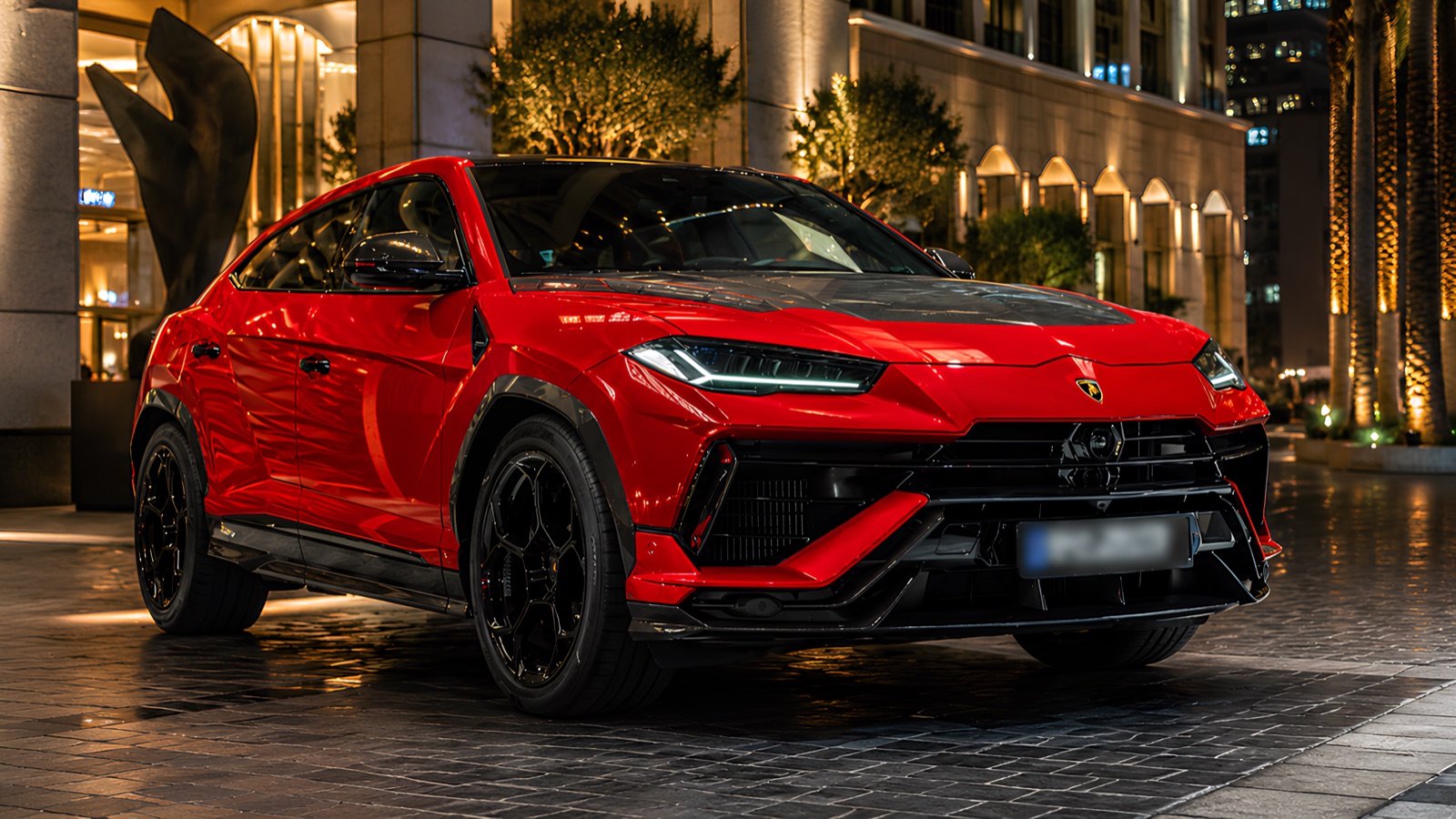
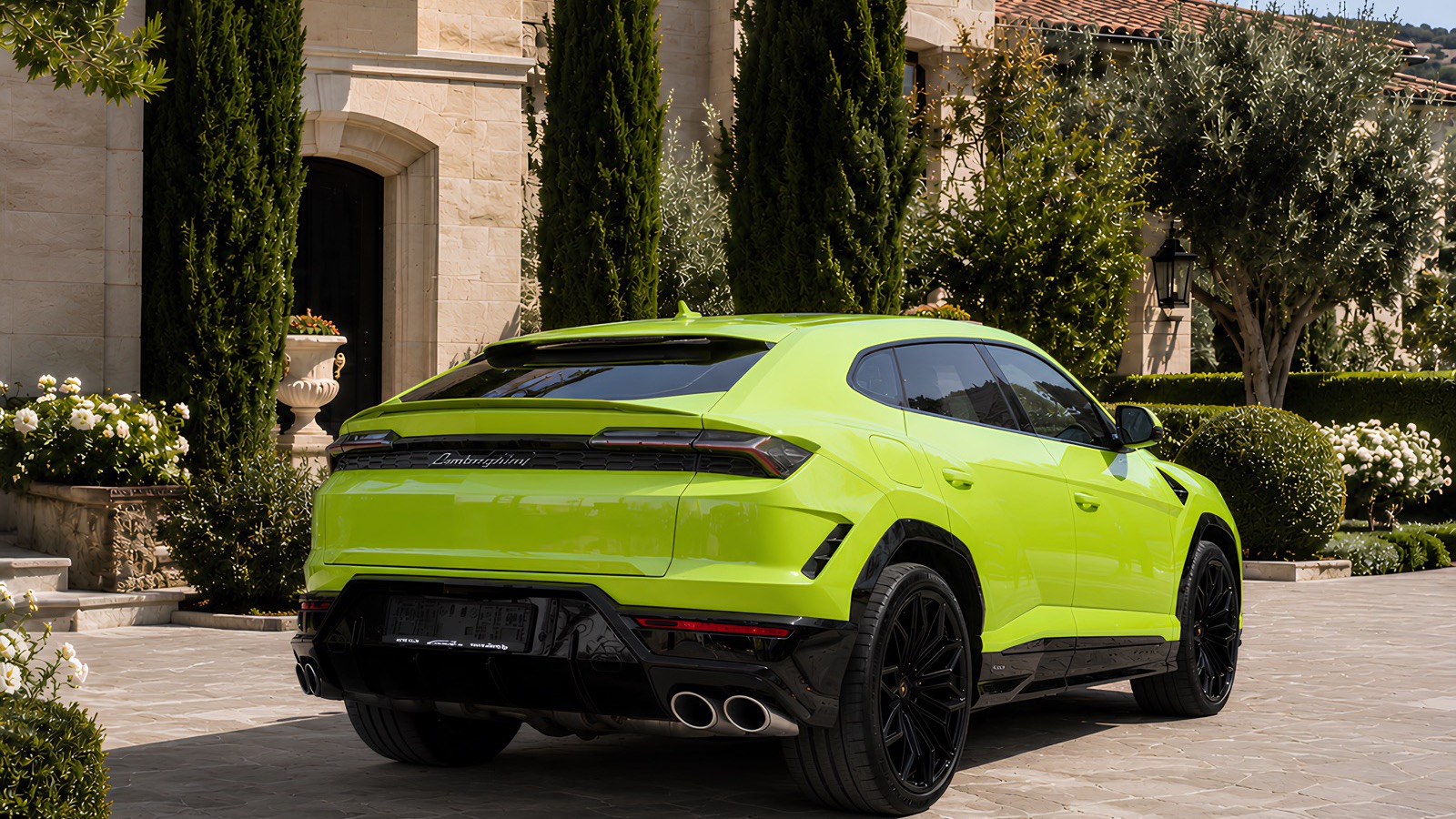
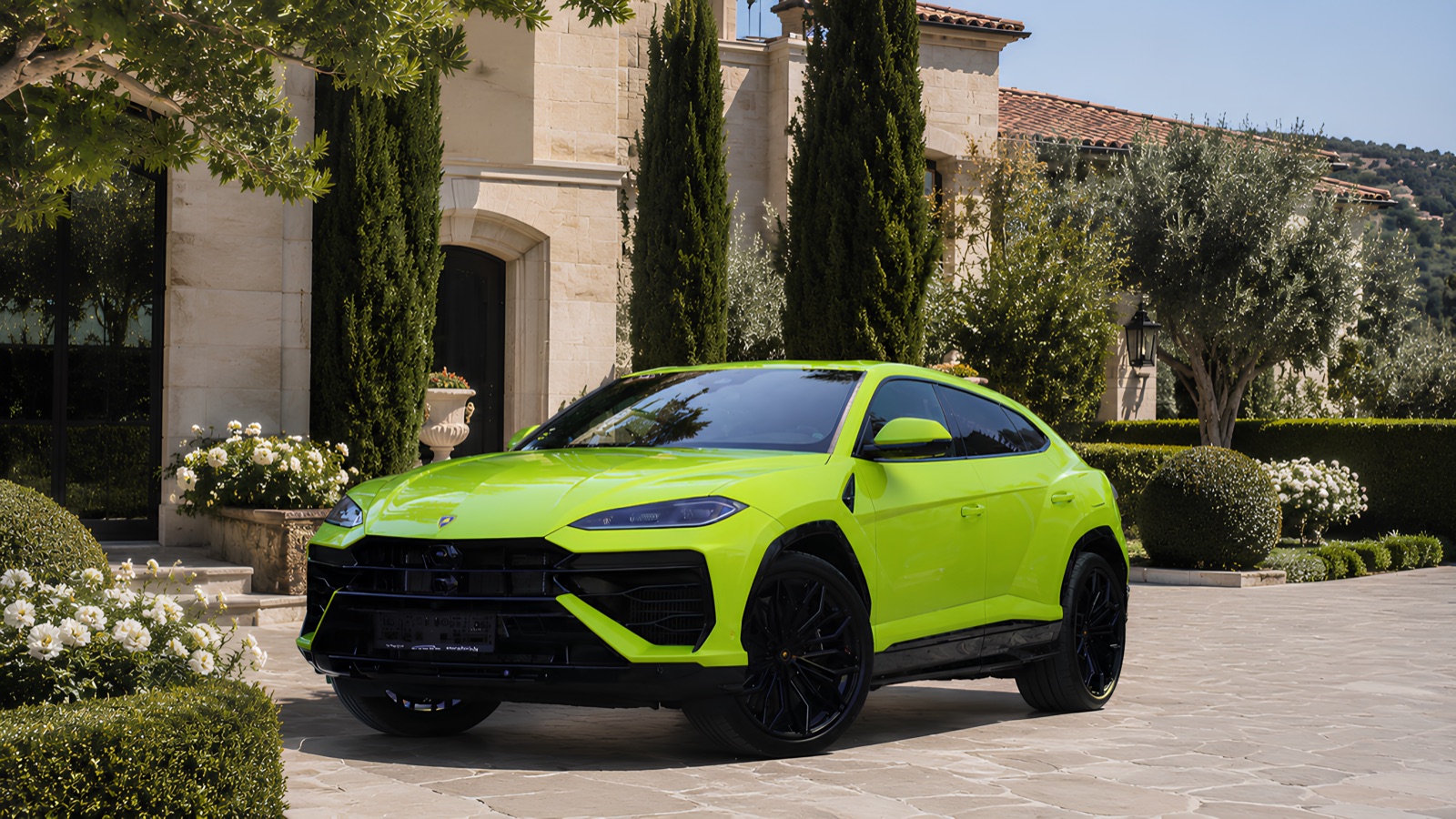
The SUV has won over executive fleets because it answers almost every need. Its raised driving position gives a clear view of the traffic, its cabin welcomes passengers and luggage without constraint, and its more generous ground clearance reassures as soon as the road deteriorates.
It is the natural silhouette for trips to the mountains. For anyone who travels regularly to Courchevel, one of the EVO LUXURY service areas, or to other Alpine resorts, the SUV combines comfort on the approach motorway with peace of mind on the final hairpins. One reminder, though: in winter, safety depends first and foremost on equipment, and French regulations require suitable tyres or anti-skid devices in many mountain municipalities. It is a point to raise when the contract is being put together.
Three models from the fleet sum up the breadth of the segment. The Porsche Cayenne GTS combines 500 hp, a sport chassis and a refined interior: the SUV for executives who want performance and everyday comfort. The Bentley Bentayga S shifts the balance towards grand touring, with its 550 hp V8, British craftsmanship and lounge-like comfort. For even rarer exclusivity, the Ferrari Purosangue Novitec, with 755 hp from a naturally aspirated V12, is offered on request.
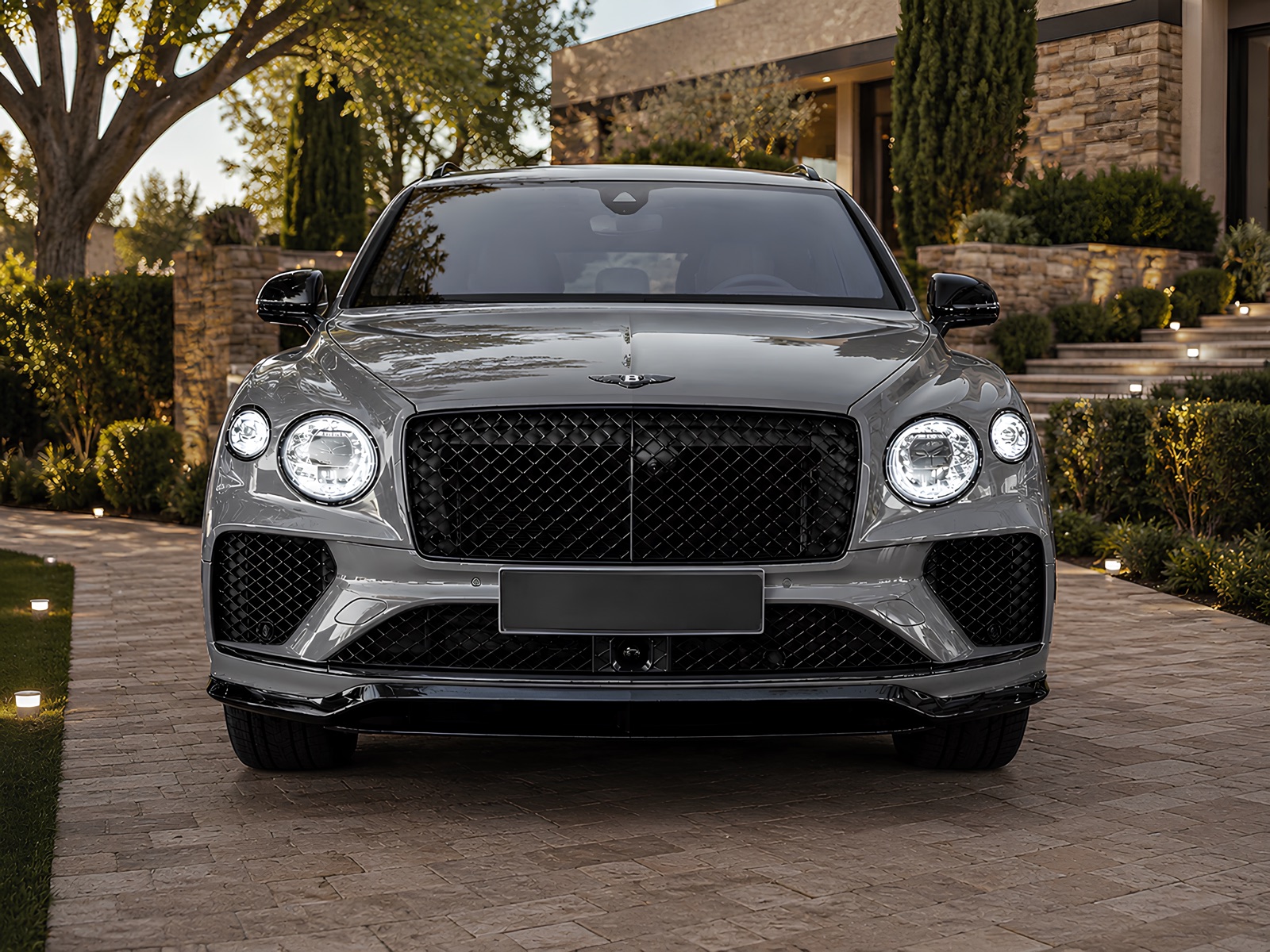
The SUV's limits are the flip side of its qualities. Its size, in width as in height, makes parking in the city centre and access to some underground car parks more complicated. Its presence is undeniable: an asset when you want to make a statement, far less so when you would rather go unnoticed. The premium SUV therefore suits professionals whose schedule mixes road, city and seasons, provided they are comfortable with its stature.
GTs and sports cars, emotion with its constraints
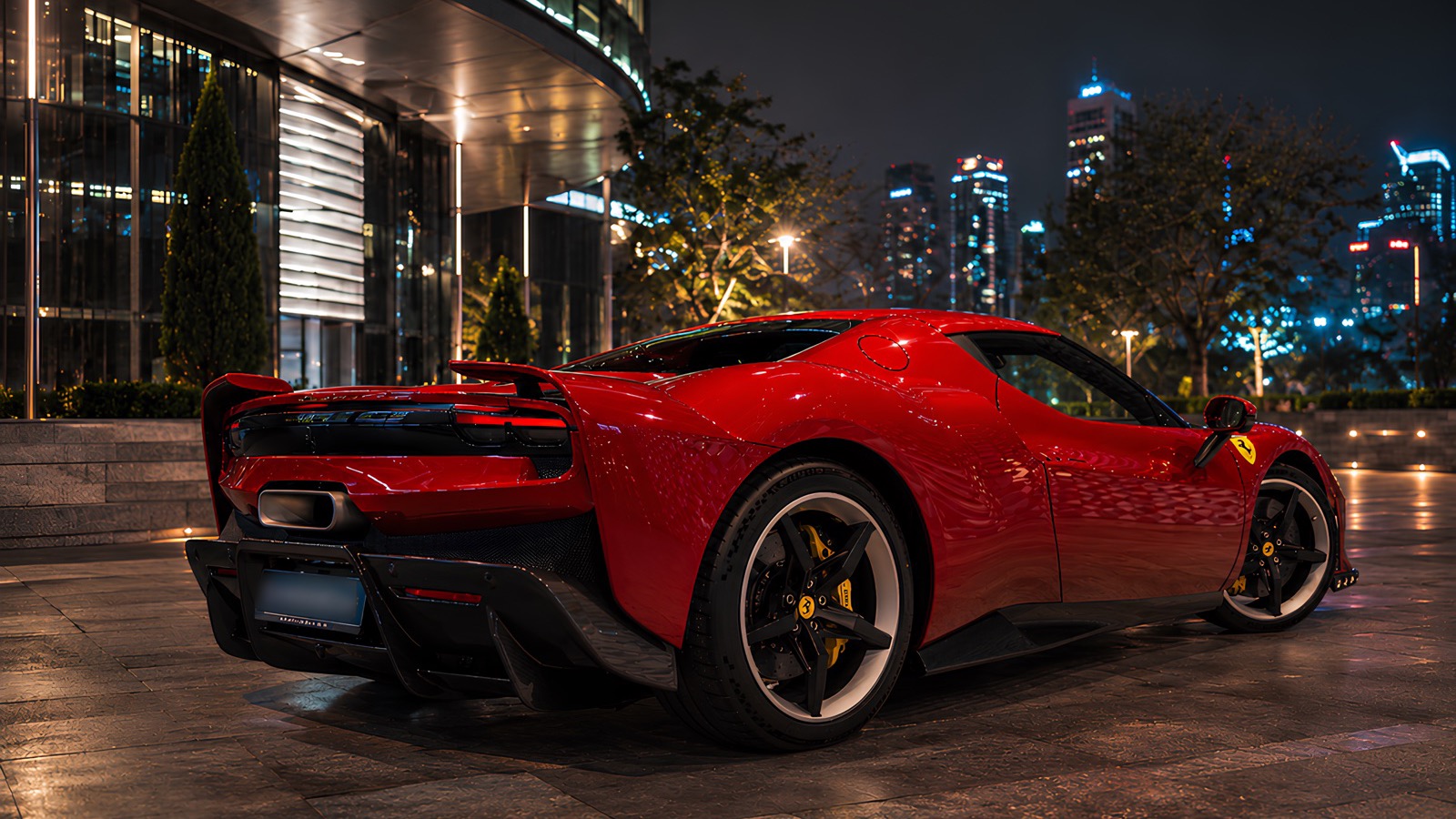
The GT follows a different logic. It is not primarily a means of transport but a signature: a design, an engine, a driving emotion. For certain professions — creative industries, luxury, prestige real estate — it plays a full part in the image you wish to project.
The Ferrari Roma Spider offers a refined expression of it: 620 hp, timeless lines and a soft top for open-air driving. More radical still, the Porsche 911 Turbo S Brabus reaches 900 hp thanks to the exclusive Brabus tune. These rare models are offered on request, with dedicated support.
The GT brings unrivalled driving pleasure on open roads and an instantly assertive image. Its limits are clear, and it is better to face them squarely:
- it is designed first and foremost for two: three colleagues and their luggage do not fit in easily;
- its boot remains modest;
- its low profile is ill-suited to snowy roads and resort access roads;
- its image does not suit every meeting: facing a client in the middle of a tough negotiation, it may speak louder than you do.
A sports GT is therefore chosen with full knowledge of the facts: as a main vehicle for mostly solo, road-based use, or as a complement to a more versatile model within a fleet. In this respect, the Audi S5, a 367 hp five-seat sports car with quattro drive, offers a more understated and more versatile alternative.
The performance estate, the underrated compromise
The high-end estate is probably the most underrated silhouette in executive fleets. Yet it brings together what people often look for in several separate vehicles: the road manners and discretion of a saloon, the load space of an SUV and a character worthy of a sports car.
The Audi RS6 performance proves the point. Its 630 hp twin-turbo V8 and quattro drive give it the pace of a supercar, while its estate body keeps it fit for everyday use. For a professional who heads to a ski resort in peak season with their equipment, then spends the week moving between meetings in several cities, it is a remarkably complete answer.
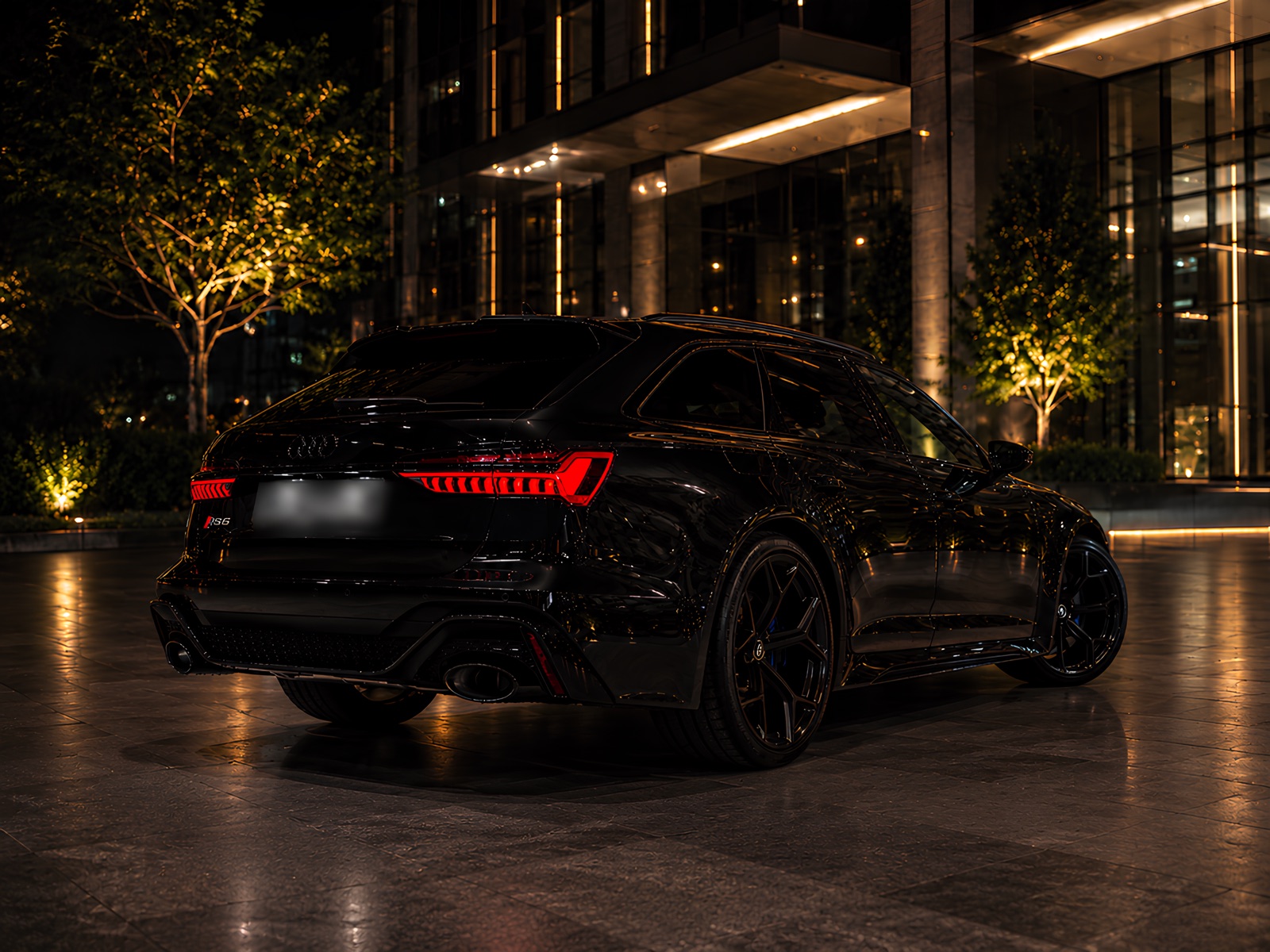
The estate also has a rare quality: its silhouette does not immediately reveal the power it conceals, which makes it a relevant choice when the image needs to remain understated. Its limits are those of a long vehicle — urban parking, here again, calls for a little forethought — and of a less formal presence than a large saloon: when it comes to welcoming a distinguished guest in the back, the S-Class keeps the upper hand.
The premium compact, the city-centre asset
When your business is concentrated in the city — meetings close together, narrow streets, scarce parking — the premium compact becomes the most effective tool. It slips through traffic and parks where larger models give up, without compromising on build quality.
The Audi S3 is a good example: 310 hp, quattro drive and immediate driving pleasure in a compact, versatile format. The MINI Cooper S 60 Years Edition plays a different card, that of character: 178 hp, go-kart handling and exclusive "60 Years" trim in British Racing Green. Both are available from 3 months, which makes them natural candidates for a short urban assignment.
Its limits are those of its format: more modest interior space and boot, which suit it to use alone or for two, and a more understated image than an executive saloon for formal meetings. On the motorway it remains at ease, without offering the enveloping comfort of a large grand tourer.
The decision grid
To decide, start from your dominant use, then check your secondary uses:
- Long motorway journeys and meetings between cities: prestige saloon first; performance estate if you also carry equipment or luggage.
- Dense city centre, difficult parking: premium compact; avoid large vehicles if the city accounts for most of your kilometres.
- Colleagues, clients or guests on board: prestige saloon for rear-seat comfort and representation; premium SUV when there is a lot of luggage.
- Mountains and winter: premium SUV, or an estate with quattro drive, with suitable winter equipment; rule out the GT as a sole vehicle, and the saloon, less at ease on snow, demands flawless equipment.
- An image of discretion: prestige saloon or estate, whose elegance is only noticed at second glance.
- An image of affirmation: premium SUV for presence, GT for signature.
- Several strong and conflicting uses: rather than looking for the vehicle that does everything, consider two complementary contracts within the fleet, or a succession of models through the seasons.
One simple rule sums up this grid: choose the silhouette that matches your most frequent use, not your most exceptional one. An SUV chosen for two trips to a ski resort a year, then driven the rest of the time through narrow streets, is a mismatch.
Mileage allowance and duration, a choice that can evolve
The silhouette is not chosen independently of the contract. At EVO LUXURY, long-term rental is based on a monthly mileage allowance of 1,000 to 8,000 km, which does not carry over from one month to the next; beyond it, kilometres are charged at the rate set out in the contract. The usage profile that guides the choice of vehicle therefore also guides the choice of allowance: a saloon or an estate devoted to inter-city travel calls for a higher allowance than a mainly urban compact.
The monthly nature of the allowance deserves specific attention when use is seasonal. If your trips to the resorts are concentrated in a few winter months, that is the pace you need to cover, since kilometres not driven in one month are not carried over to the next. The allowance can be adjusted during the contract by amendment, subject to conditions.
Duration, in turn, is a tool for flexibility. Contracts of 3, 6, 9 or 12 months match the vehicle to a given period rather than to a hypothetical annual average. An SUV for the winter season, a compact for an urban assignment of a few months, a saloon for a year of business development across several cities: each phase can have its own silhouette. At the end of the term, you return the vehicle, extend the contract or switch to another model if your use has changed.
The rest of the framework does not vary from one silhouette to another: a security deposit requested at signature, delivery of the vehicle to the agreed address within the service areas, an online client space to follow your contract, and maintenance, assistance and insurance, each included or not depending on the contract.
Choose the use before the object
A saloon, an SUV, a GT, an estate or a compact are not different degrees of prestige: they are different answers to different questions. The saloon serves representation and the road, the SUV versatility and the seasons, the GT emotion and signature, the estate the most complete compromise, the compact urban efficiency.
The right choice begins with an honest description of your days, is confirmed in the contract — allowance and duration — and is reassessed at each expiry. It is one of the most tangible advantages of long-term rental: the silhouette is never set in stone. It follows your business, not the other way round.
The right vehicle is not the most spectacular one: it is the one that serves your working day, from the first meeting to the last kilometre.